Chief Petty Officer John Frederick Thomas
5th (Nelson) Battalion, Royal Naval Division
Killed in Action
Date of Birth: 1872
Place of Birth: Brighton Sussex
Date of Death: 13 July 1915 at Gallipoli, Turkey aged 43.
Buried: Remembered on Helles Memorial, Gallipoli; St. Michael’s Church Memorial, St. James’ Church Memorial Window and Seafront Memorial, Teignmouth.
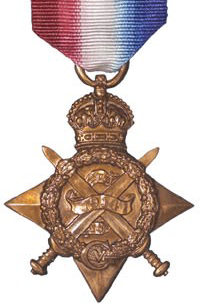
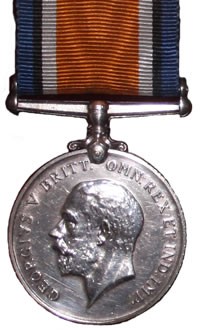
Awarded the 1914 Star, the British War Medal and the Victory Medal and the Royal Navy Long Service and Good Conduct Medal

Chief Petty Officer John Frederick Thomas age 43.
He was born on 7 February 1872 in Brighton, Sussex, to parents John and Elizabeth Thomas.
His father was a pensioner from Greenwich.
In 1881 he was found living with his mother and siblings at 7 Bitton Street, Teignmouth.
His mother, now widowed, was listed as ‘grocer’, she remained at Bitton Street running a grocery shop and was shown on the 1911 census there.
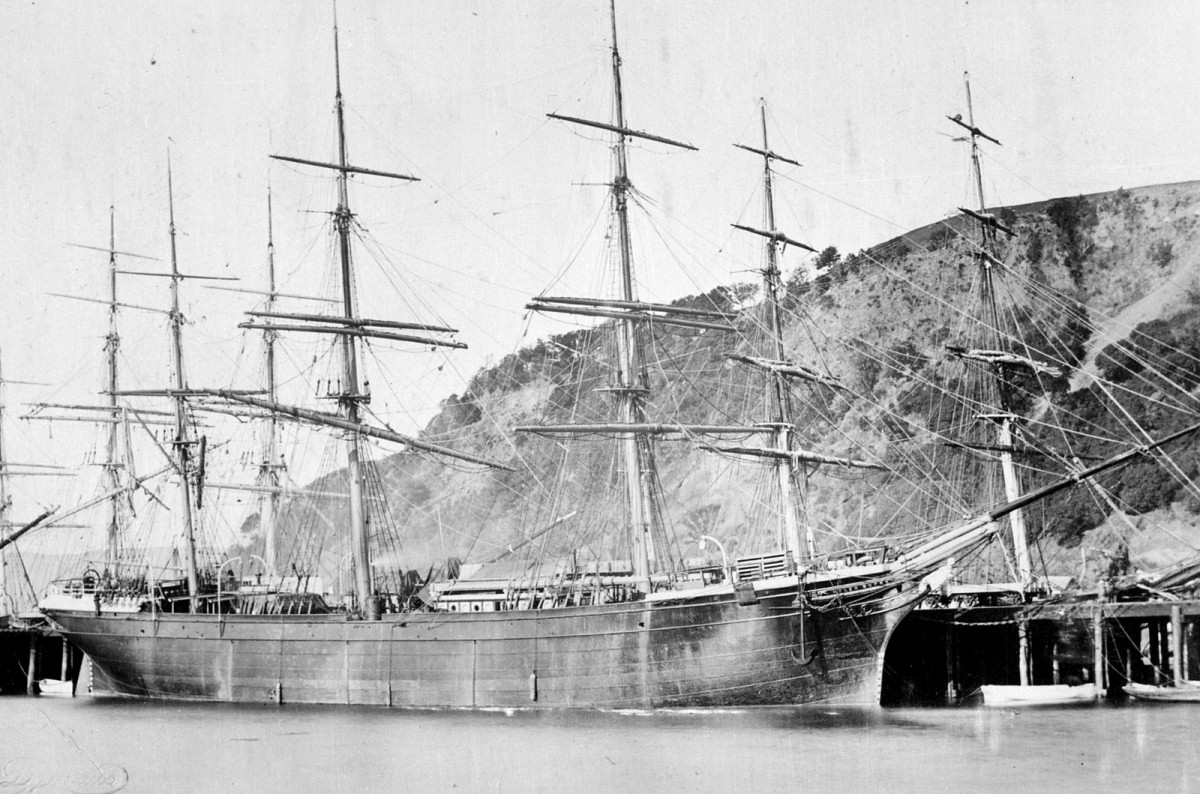 Helen Burns (click for larger image)
In 1900 he married Rosaline Lamble of Teignmouth in the registration district of Newton Abbot. Her father, Samuel Lamble, was the master of the ship ‘Helen Burns’, a schooner for home trade.
John and Rosaline lived for a while at Portland Place, Devonport until Rosaline returned to Coombe Vale in Teignmouth, then later at 6 Third Avenue, Teignmouth. They had four children, Jack, Richard, Reginald and Rosaline. Rosaline moved to Exeter where she remained until her death.
John volunteered with the Royal Navy as a Boy 2nd Class, service number 142191 (Dev), on 12 July 1887, aged 15, and was promoted to AB on his 18th birthday on 7 February 1890. In 1901 he was listed as Petty Officer, 1st class; and military records show he re-engaged on 7 February 1902 for a further term. By 1911 John has been promoted to Chief Petty Officer; he was shown on board ship at Dartmouth in 1901 census.
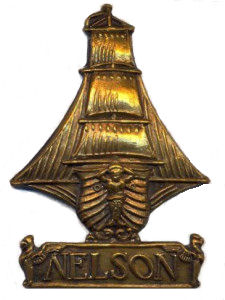 Nelson Battalion Insignia
At the outbreak of war John was recruited to the newly formed Nelson Battalion, classed as Staff/1 from 22 August 1914.
He was reported as missing on the list for 13 July 1915, it was later confirmed that he was lying wounded when he was hit in the head and killed outright on 13 July 1915.
Remembered on Helles Memorial, Gallipoli; St. Michael’s Church Memorial, St. James’ Church Memorial Window and Seafront Memorial, Teignmouth.
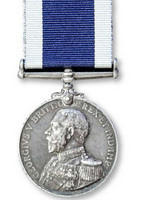 Naval Long Service and Good Conduct Medal
Military records report the following: ‘HQ Company Staff ; RN Long Service & Good Conduct Medal ; 1914 Star returned to Mint 1934. Reported by Tyneside Z/147 AB E. Edgar: "I saw Thomas fall, wounded in the side & whilst lying wounded, was hit in the head & killed outright."
The 1st Royal Naval Division
At the begining of the First World War on 4 August 1914 there were 20-30,000 Royal Navy Reserves more than there were available places on warships.
They became the 1st Royal Naval Division consisting of the 1st and 2nd Naval Brigades and the Royal Marine Brigade.
The 2nd Royal Naval Brigade had eight battalions named after naval commanders, 1st (Drake), 2nd (Benbow), 3rd (Hawke), 4th (Collingwood), 5th (Nelson), 6th (Howe), 7th (Hood) and 8th (Anson). The Battalions did not all serve at once, but all were assigned to the brigade during the war.
Between 20 September and 5 October 1914 the units of the Division landed at Dunkirk to assist in the defence of Antwerp, Belgium. There were losses and approximately 1500 men were interned in the Netherlands.
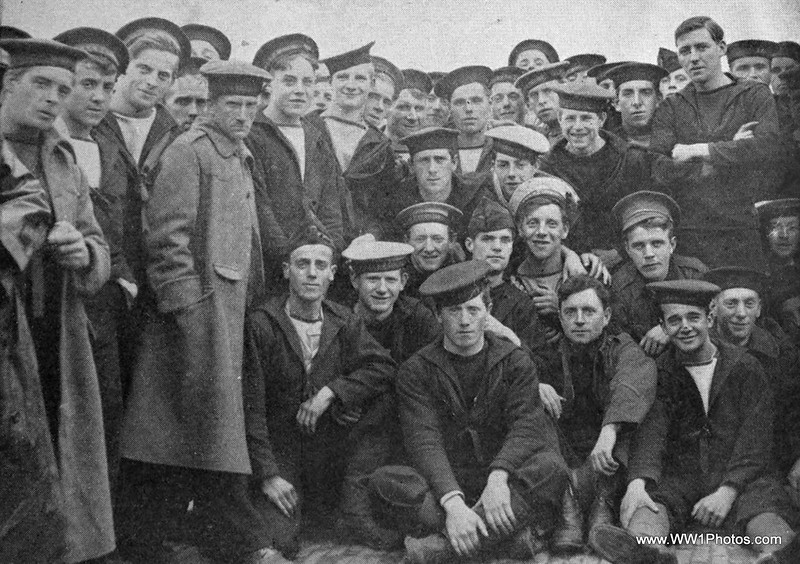 Some of the Royal Naval Division men who were interned in the Netherlands. http://ww1photos.com
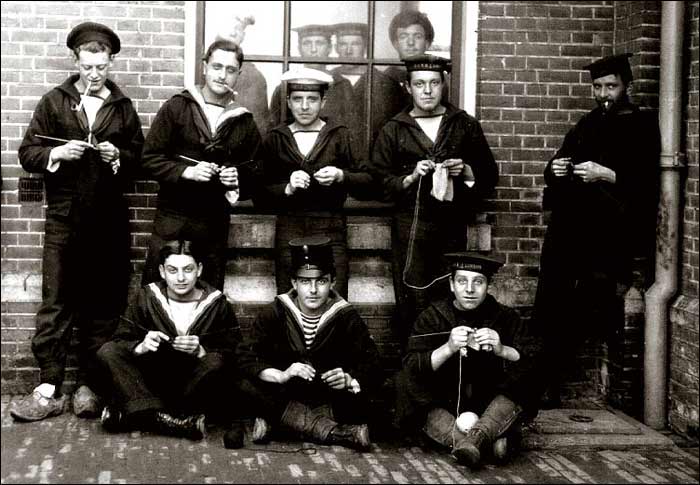 Knitting British sailors interned in the Netherlands. The Heritage of the Great War
The other men of the Division returned to England on 11 October 1914 where they were re-equipped and had further training.
In 1915 they moved to Eygpt and fought at the Battle of Gallipoli (Turkey 17 February 1915 – 9 January 1916) at Anzac Cove and Cape Helles.
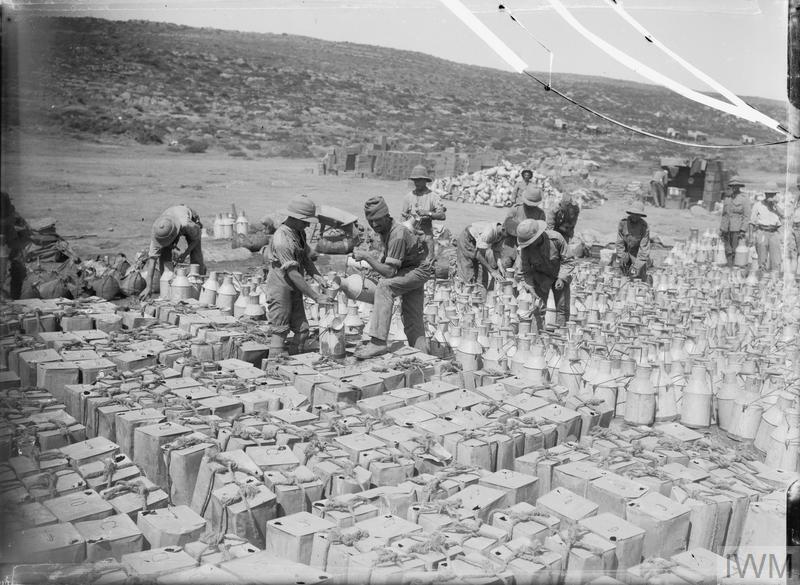 Filtering water before it is put into covered cans. © IWM (Q 13448)
 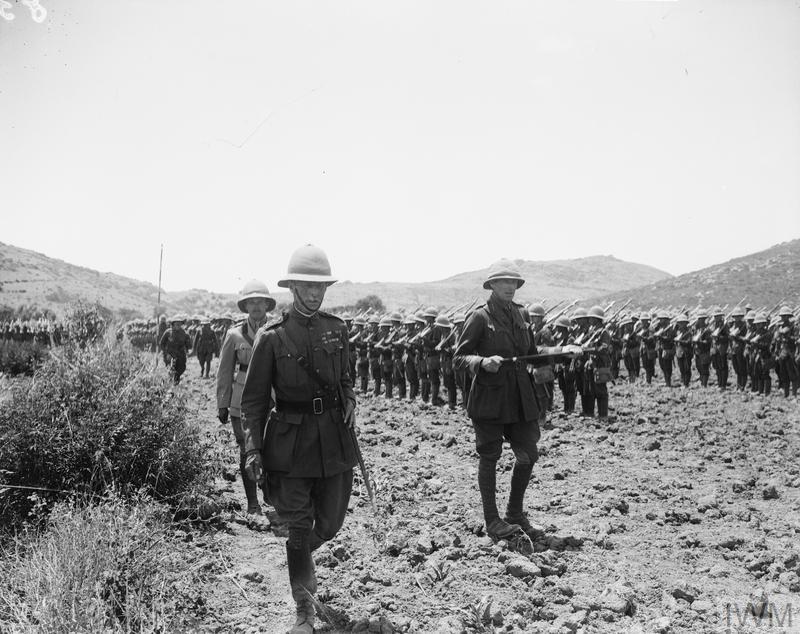 General Sir Ian Hamilton GCB inspects the Howe Battalion of the 2nd Royal Naval Brigade, commanded by Lieutenant Colonel Collins, at Kephalos Camp, Imbros, 18th June 1915. © IWM (Q 13297)
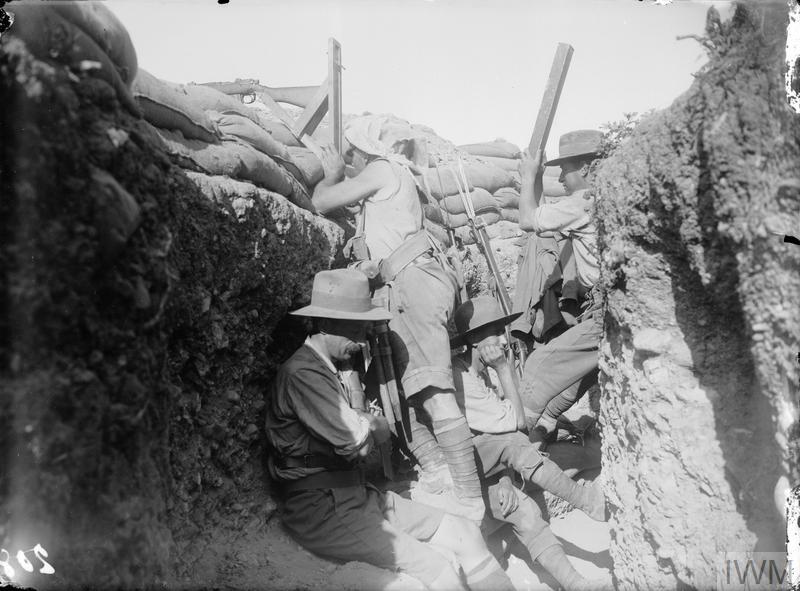 Defence of the ANZAC. Men of the Royal Naval Division and Australians in the same trench. One is using a "sniperscope" and another a periscope. © IWM (Q 13427)
John Thomas died on the 23rd of July 1915 at Gallipoli, Turkey, aged 43.