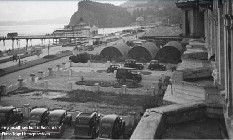
Petty Officer 2nd Class John Henry Betsworth
Royal Navy, HMS Victory.
Died in Military Service
Date of Birth: 1871
Place of Birth: Portsmouth
Date of Death: 26 March 1915 aged 44 in Portland hospital
Buried: St. George Churchyard, Portland. Remembered on Portland Royal Naval Cemetery; Seafront Memorial and St. James' Church Memorial Window, Teignmouth.
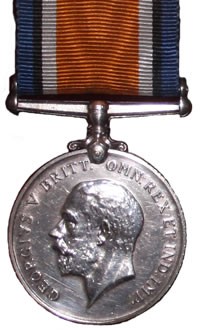
Awarded the British War Medal
Petty Officer John Henry Betsworth, age 44. Born 26 Jan 1871 at Landport, Portsmouth, the son of John Gilbert and Emma Betsworth.
In 1881 he was shown living with George Gilbert, naval pensioner, and Emma Betsworth and his siblings at the Britannia Inn, Portland.
In 1901 he was shown as an Able Seaman on board HMS Kestrel at Birkenhead.
He married Ada Elizabeth Millington in 1903. The 1911 census showed him with wife and daughter living and working at Mothecombe Coastguard Station, Plymouth. Later shown on 1915 electoral roll for Portland. His father and wife were shown living at 2 Stanley Street, Teignmouth following his death.
John was serving with the Royal Navy, service number 135709, on HMS Victory at the Portland Boom Defence. John died of disease on 26 March 1915 and was buried in St. George Churchyard, Portland.
Remembered on Portland Royal Naval Cemetery; Seafront Memorial and St. James' Church Memorial Window, Teignmouth.
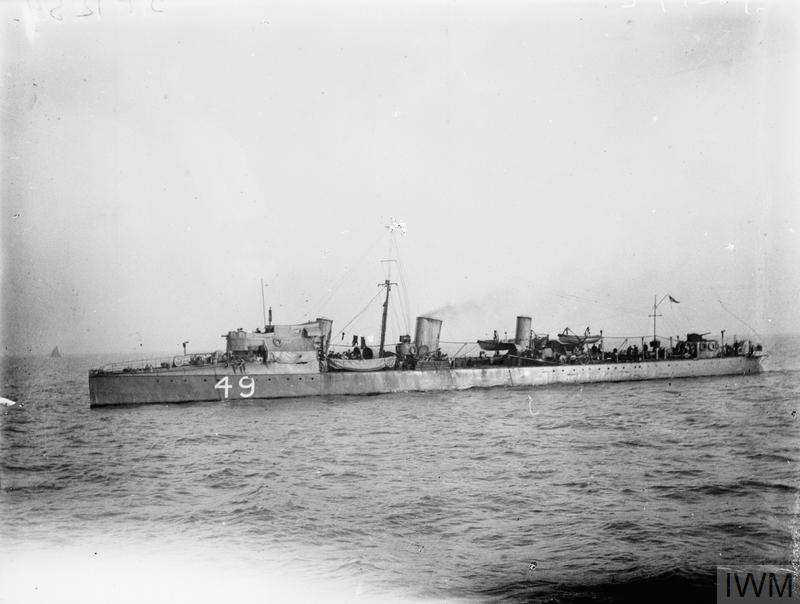 HMS KESTREL working on the Dover patrol. Photo by Surgeon Parkes. © IWM (SP)
HMS Kestrel
HMS Kestrel was a destroyer launched in 1898, assigned to the Chatham Division of the Harwich Flotilla and based at Portsmouth in 1901.
HMS Victory
In the First World War HMS Victory was a Naval base, a shore establishment known as a "Stone Frigate".
A number of shore establishments were named HMS Victory, as many as eight during the First World War, their roles included Royal Navy training bases and accounting bases.
HMS Victory: Portland naval base
The enormous sheltered harbour at Portand with its easy access to the heart of Britain, the Channel and the high seas has been stategically important since Roman times.
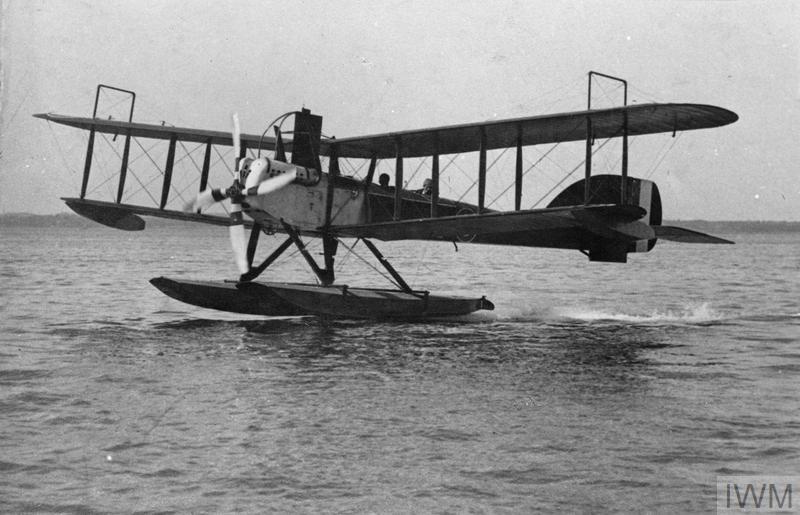 Wight Seaplane fitted with Sunbeam engine. © IWM (Q 66268)
The base had many vital roles and facilities in the First World War.
A naval hospital was nearby.
A naval dockyard was part of the base.
There was a fuel depot supplying the coal, oil (and water) vitally needed by the steam-powered ships of the British fleet.
The base was the home of a naval air station for sea-planes which supported patrol boats by spotting submarines.
Portland waters were used for firing practice, anti-submarine training, and mobilisation and other exercises.
The bay was also used as a holding area with neutral ships at anchor waiting to be searched for materials that might be useful to the enemy.
Portland Harbour was home to the Channel Fleet and the Grand Fleet used it as an assembly area before sailing to Scapa Flow.
Boom defense vessels towed bouyed nets and other defenses across the mouth of the harbour leaving a small opening which was easier to protect from marauding submarines. Vessels would have then been stationed to protect the opening.