Lance Corporal Albert James Stone
1st Battalion, Prince Albert’s (Somerset Light Infantry)
Died of Wounds
Date of Birth: 1888
Place of Birth: Teignmouth, Devon
Date of Death: 5th July, 1916 aged 28
Buried: Beauval Communal Cemetery (Somme) France.
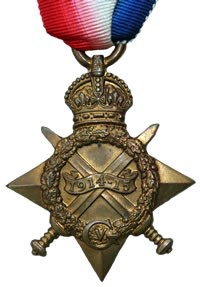
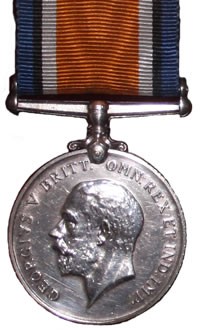
Awarded the 1914-15 Star, The British War Medal and the Victory Medal

Lance Corporal Albert James Stone age 28.
Born in Teignmouth in 1888, the son of William Stone, a shoemaker, and his wife Susan; he had three older brothers and a sister.
By 1891 the family had moved to Clevedon, Somerset; in 1901 they were living at Chapel Hill, Clevedon.
In 1911 the family are at the same address, but Albert was now working as a domestic gardener.
He married Lorina Drake at the beginning of 1914 registered at Long Ashton, Somerset.
 Somerset Light Infantry Cap Badge.
Albert was a National Reservist and mobilized on 4 September 1914 with the 1st Battalion, Somerset Light Infantry, service number 3/7569.
Albert was seriously wounded on 1 July whilst fighting at the Hawthorn Redoubt, Beaumont Hamel; he died on 5 July 1916. Buried in Beauval Communal Cemetery (Somme) France.
Inscription on headstone reads: “His Memory Is As Dear Today As In The Hour He Passed Away”.
Battle of Albert, 1 July 1916
The village of Beaumont-Hamel was one of the fortress villages located just behind the German lines.
This position commanded the valley over which the attacking troops had to cross. The British attack on this part of the line was undertaken on that day by the 29th Division, part of VIII Corps.
The 1st Somerset Light Infantry was also heavily involved in the fighting with large casualties.
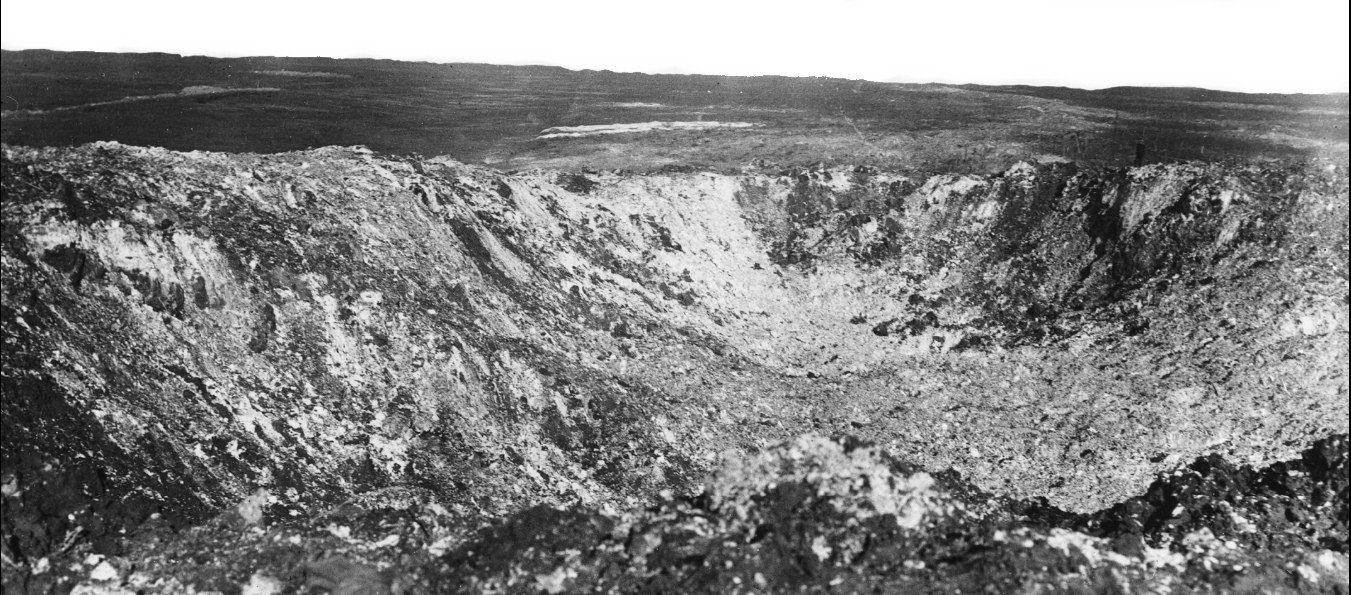
 Battle of Albert. The mine under German front line positions at Hawthorn Redoubt is fired 10 minutes before the assault at Beaumont Hamel. 45,000 pounds of ammonal exploded. The crater was 130 feet across by 58 feet deep. Earnest Brookes. © IWM (Q 754)
The main reason that there was so much resistance in this area was the fact that the Hawthorn mine was set off at 7.20 at the request of the VIII Corps Commander, thus warning the Germans that the offensive was starting.
The vast majority of Allied troops that went over-the-top were killed or wounded almost immediately. The Germans suffered no casualties during this battle.
It was the explosion of this large mine close to the German line at Beaumont-Hamel that marked the beginning of the Battle of the Somme on July 1st 1916.
On this day the the 1st Battalion of the Somerset Light Infantry lost a total of 463 killed, missing or wounded.