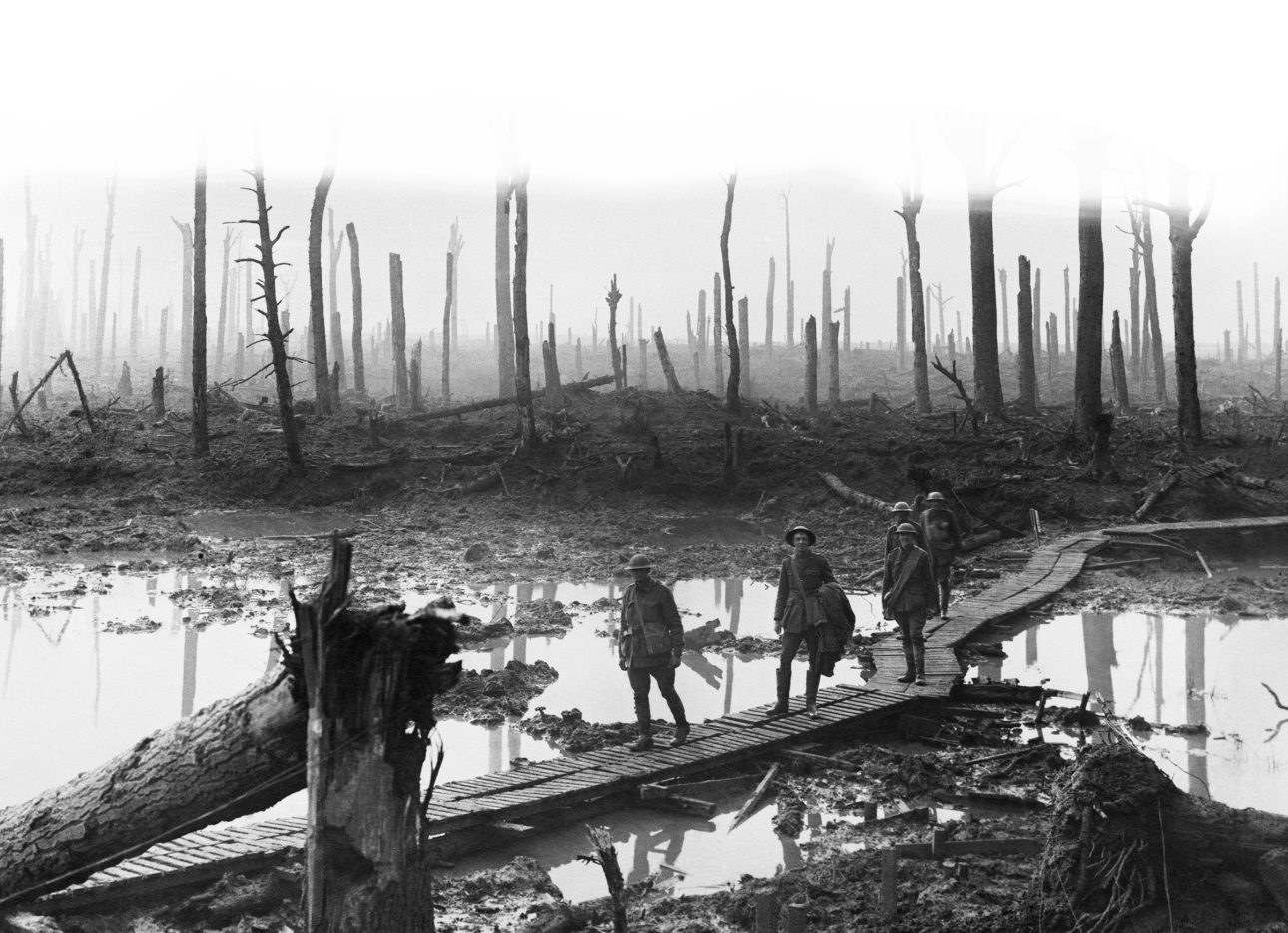

Passchendaele 29 October 1917. Frank Hurley.
Australian War Memorial A.N. E01220

Private Henry Hexter
7th Battalion, Prince Albert’s (Somerset Light Infantry)
Killed in Action
Date of Birth: 1880
Place of Birth: Teignmouth, Devon
Date of Death: 7 August 1917 in Belgium aged 37
Buried: Commemorated on Ypres (Menin Gate) Memorial, Belgium
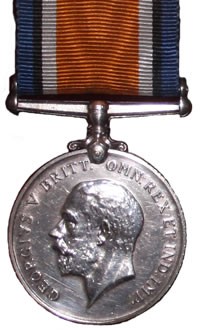
Awarded the British War Medal and the Victory Medal
Private Henry Edward Hexter age 37.
Born 19 April 1880 and baptised at St. James Church on 24 June, the son of George, a mason, and Sarah Hexter of Osmond’s Lane, Teignmouth.
He was shown there on both the 1881 and 1891 census living with his family. In 1901 he was living in Chudleigh and working as a plasterer. Henry married Bertha Elizabeth Cole in 1902.
The 1911 census showed him with his wife and two children living at Foresters Road; he worked as a stonemason/plasterer.
Henry joined up in 1915 and was stationed on the east coast for over 12 months before being posted to Devonshire Regiment, service number 315310, with whom he went to France in July 1917.
 Somerset Light Infantry Cap Badge.
Henry then transferred to 7th Battalion, Somerset Light Infantry, service number 204214, and was serving with them when he was killed in action at the 3rd Battle of Ypres on 7 August 1917.
It was noted in the Teignmouth Post that he was the husband of Bertha, 2 New Quay, Strand, and they had four children.
Remembered on Ypres (Menin Gate) Memorial; Seafront Memorial, St. Michael’s Church, St. James’ Church Memorial Window, Teignmouth.
A total gratuity of £6.7s.6d was paid to his widow Bertha.
The 7th Battalion of the Somerset Light Infantry went to the Western Front as part of 20th (Light) Division (July 1915), where they stayed for the duration of the war.
Henry died on the 7 August 1917. His Battalion were fighting in the Third Battle of Ypres.
Henry had a brother, Chief Petty Officer William Hexter, who served in the Royal Navy during WW1. William was awarded the Romanian Cross of Military Virtue (1st Class) and was Mentioned in Despatches. He survived WWI.
The Third Battle of Ypres (Passchendaele)
This was one of the bloodiest campaigns fought on the Western Front.
It was made up of a series of battles and attacks between 31 July to 10 November 1917.
It started to rain heavily during the afternoon of the first day of the battle.
The rain then continued, quickly turning the war-torn landscape into a quagmire, thousands of men and animals drowned in the mud.
I died in hell, They called it Passchendaele.
Soldier poet Siegfried Sassoon
Hundreds of thousands of men died on both sides.
The bodies of more than 35,000 men from the battle were never found, they were lost in the mud.